Paper Years

Jossef Krispel

2022

Papers 1999‑2022

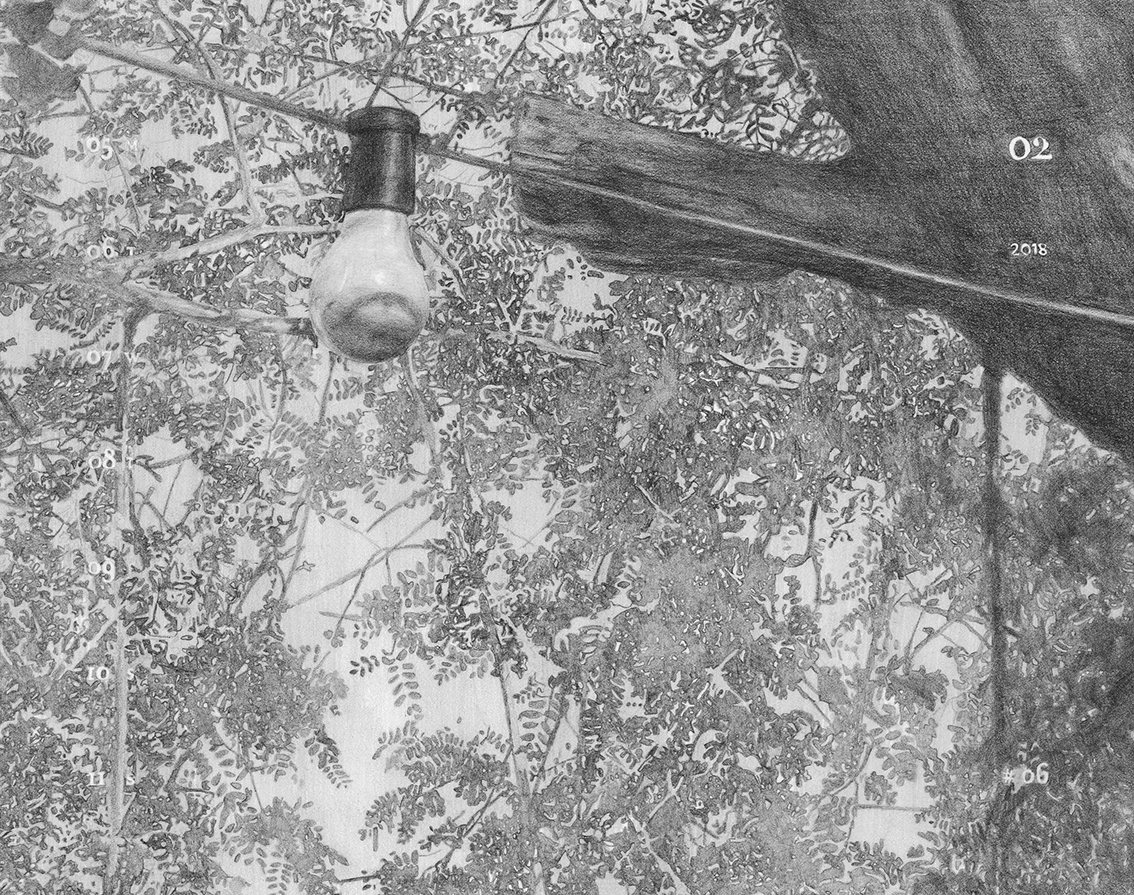
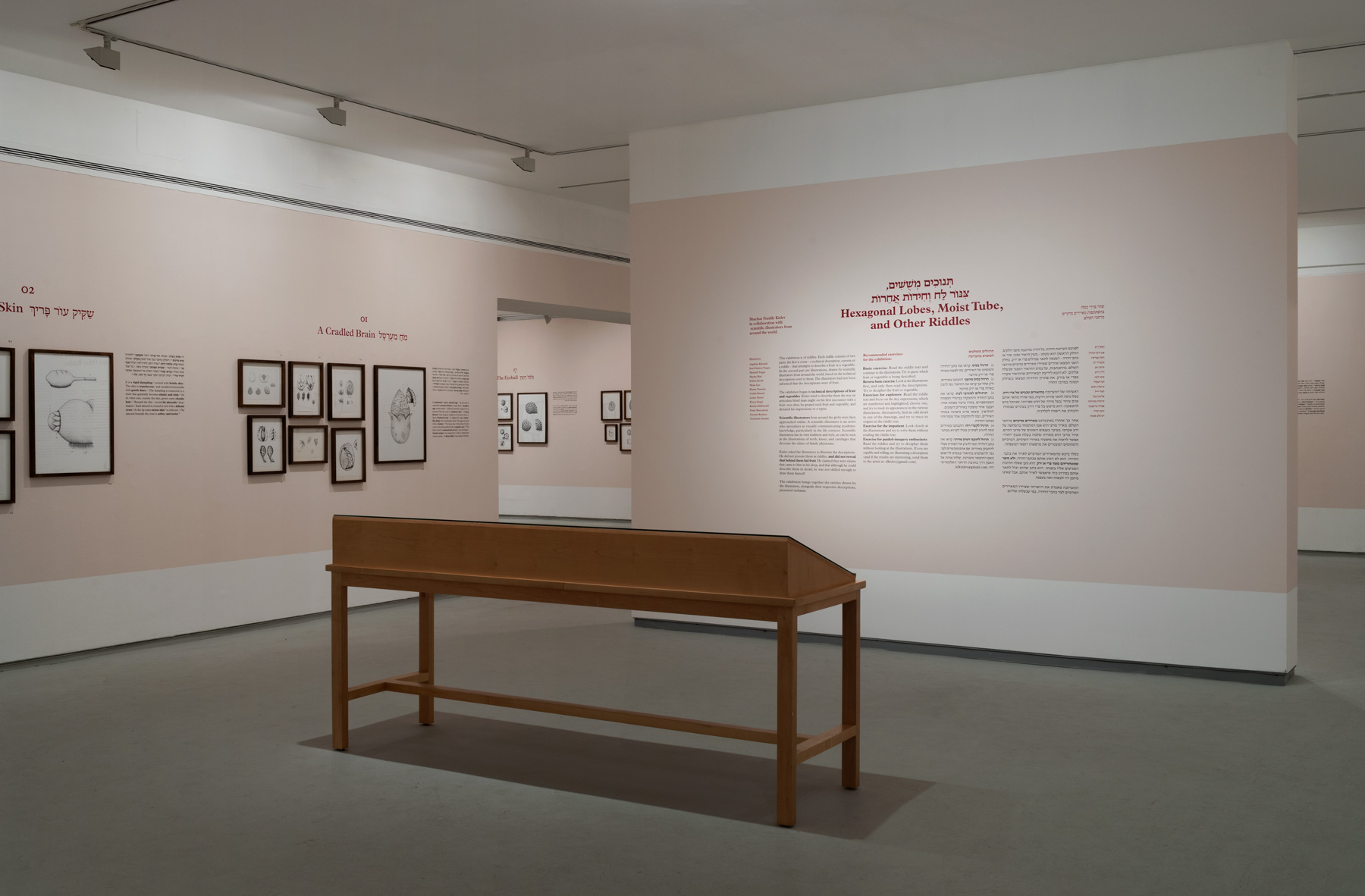
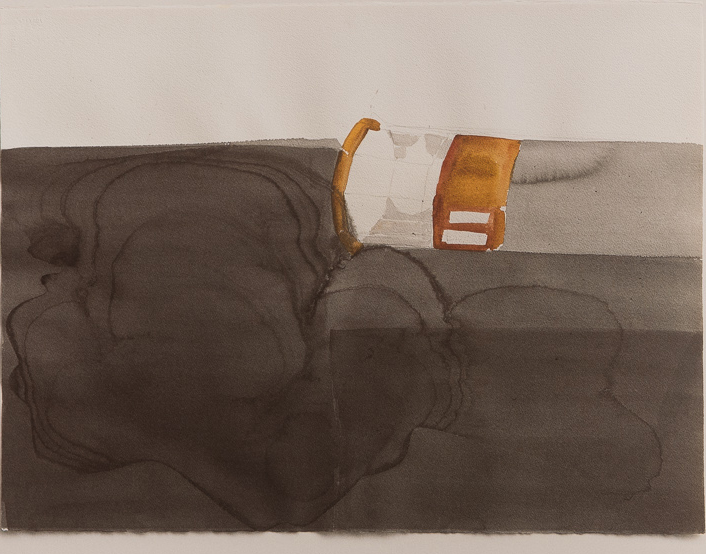
A catalogue of the exhibition "Paper Years: Papers 1999-2022" exhibited at the Beit Uri and Rami Nehushtan Museum. A text by the curator Samdar Keren. The book offers a glimpse at the artist's moves, as shown through a series of works on paper. The book is designed by "The League" (Kobi Levy), printed in a limited edition of 250 copies and corresponds with the artist's book KILLING TIME (2011)

  • Copies: 250
  • Pages: 128
  • Type of binding: Softcover
  • Dimensions (cm): 27X21X0.5
  • Type of printing: Digital, Offset
  • Publication: Beit Uri and Rami Nehoshtan Museum
  • Place of publication: Israel
  • Book photography: Yair Meyuhas

Jossef Krispel is an artist, painter, and the head of the Department of Art at Bezalel Academy of Arts and Design in Jerusalem. He is a senior lecturer in art. Krispel has received numerous awards, including the Rappaport Prize for a Young Painter and the Minister of Culture Award. His paintings are included in collections such as the Tel Aviv Museum of Art, the Israel Museum in Jerusalem, the Knesset (Israeli Parliament), and in private collections both in Israel and abroad.

In his work, Krispel raises questions about the definition and very placement of painting in relation to the painted surface, proposing to see it as a mask, screen, shell, or coating. Prof. Mordechai Omer described Krispel’s work as “Oscillating between a longing for a perfect, structured, and consistent world reminiscent of the 18th century, and a fragmented, ruined, and detached world built on the unstable foundations of postmodernism.” Curator Amitai Mendelsohn from the Israel Museum wrote “The diversity and eclecticism that characterize his subjects also apply to the styles in which he works: he moves between realist painting, minimalism, and abstract art. One could say that his style is a lack of fixed style, and his virtuosity lies in his ability to move between themes and styles.”. Curator Naomi Aviv described him as “An obsessive painter, a cannibal functioning as an image-devouring machine, a pirate who fills his studio with loot,” and as “A painter with an insatiable hunger for the elusive image.” At the center of his work are Eros and Thanatos; his paintings depict a world saturated with desire, violence, hunting, body imagery, and portraits. These elements emerge in his art like ghosts from art history and from encyclopedic sources, books, websites, albums, archaic worlds, and archaeological sites.